






The Suffolk Punch Trust is a charity dedicated to the preservation of the Suffolk Punch horse breed and to the education of the public.
Latest News


Our Gentle Giants
A fabulous video from FEI (@feichannel on YouTube) giving you an insight to us here at the Suffolk Punch Trust.
Saving the Suffolk's
A lovely video from This Horse (@ThisHorse.Bettydogfilms on YouTube) introducing you to some foals in 2023.
Did You Know...
-
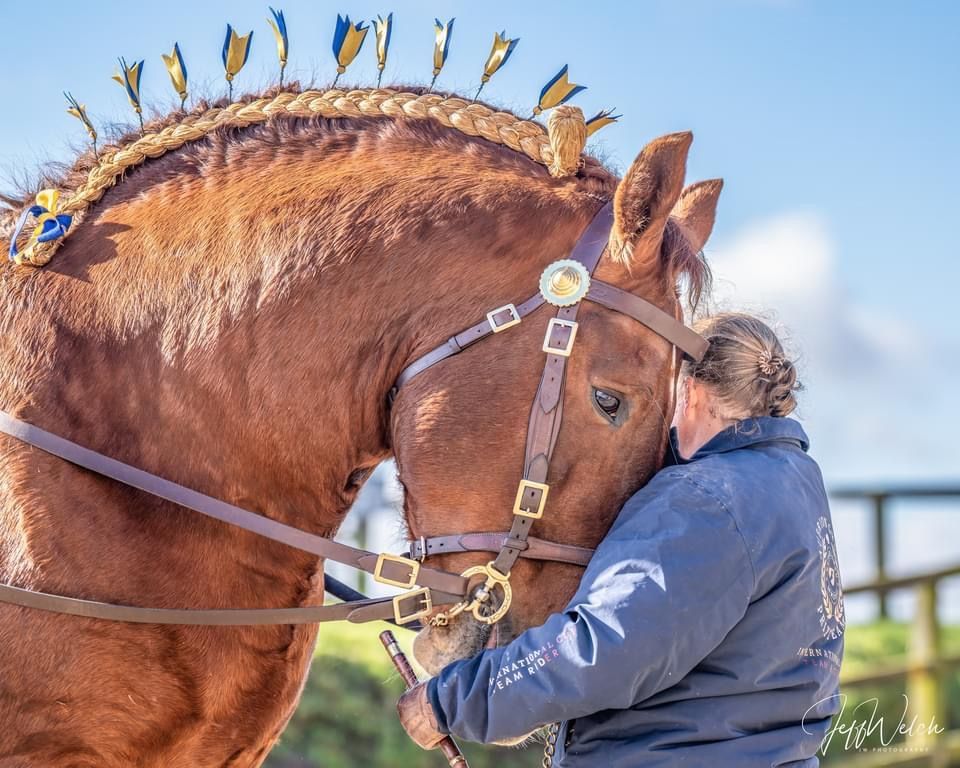
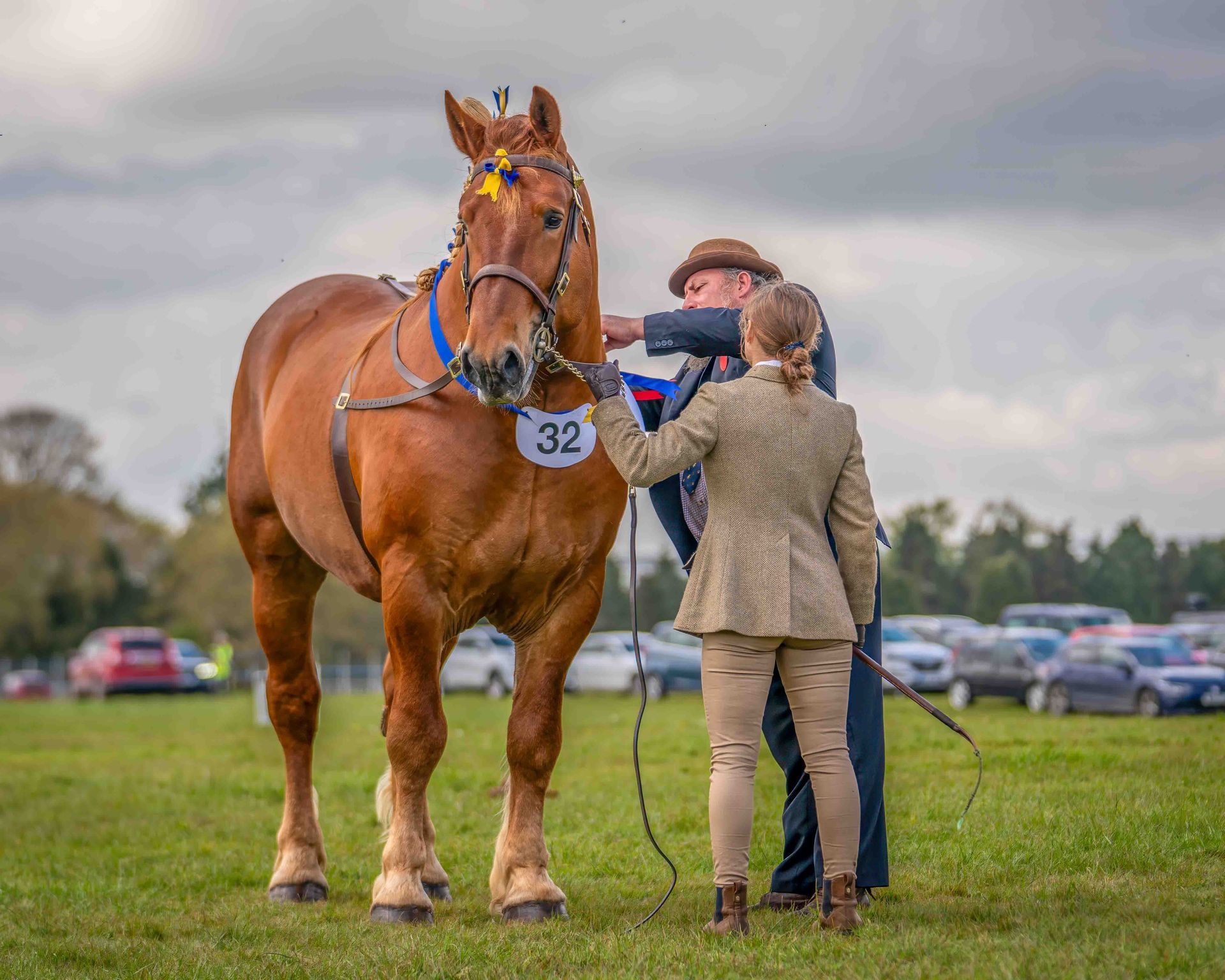
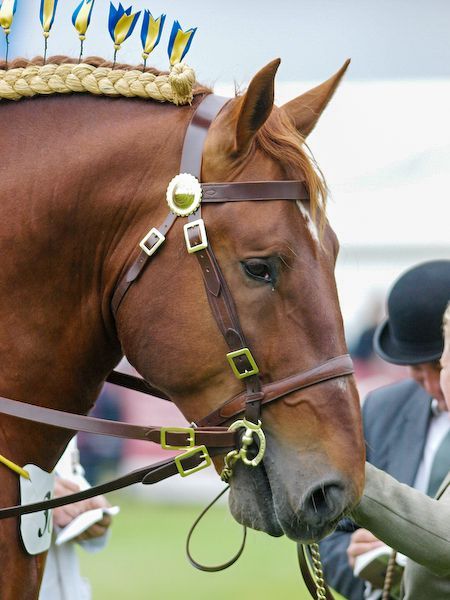
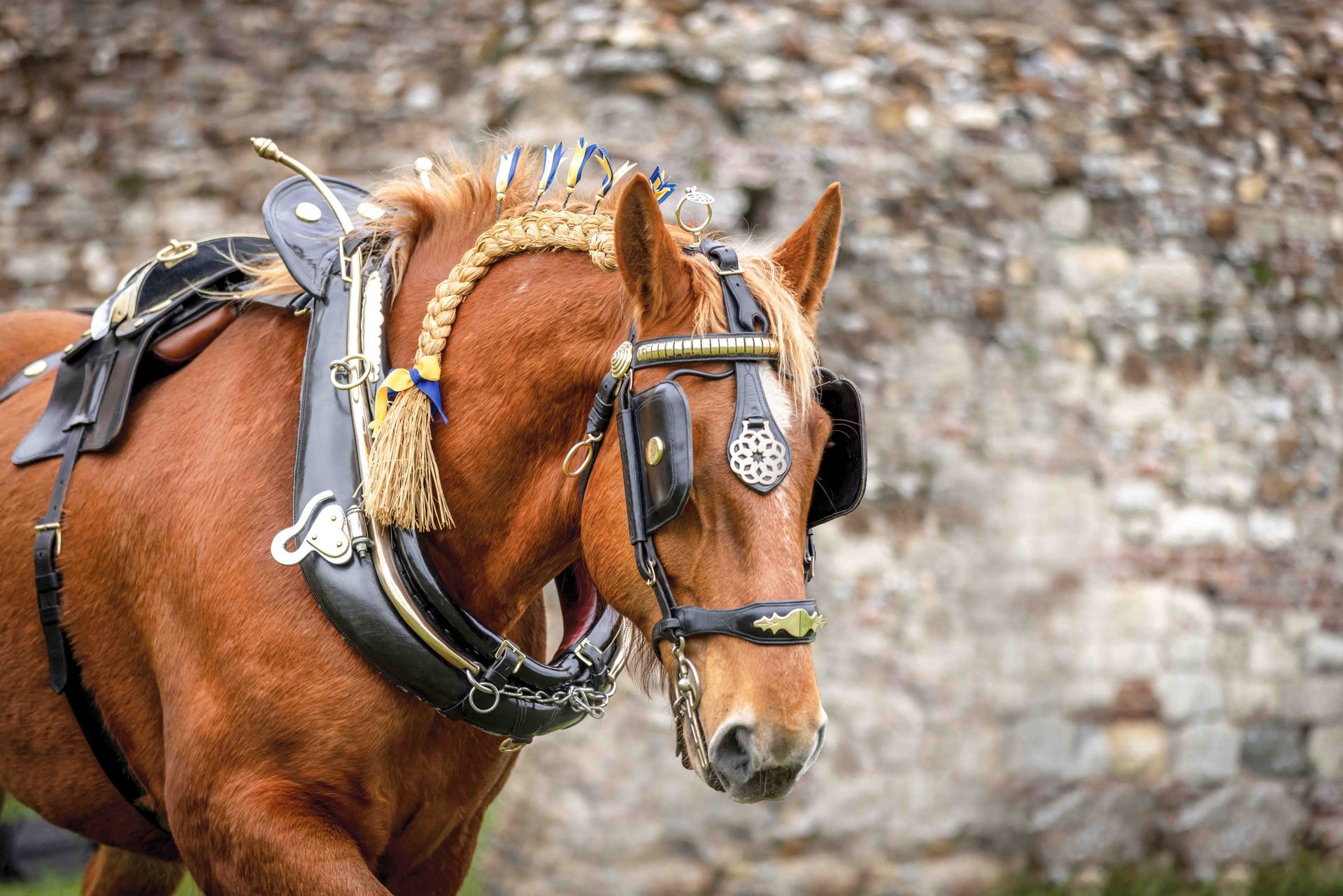
![A Stallion from the Suffolk Punch Trust showing admiration to his trainer. The horse has flytes and show harnesses.]()
-
![]()
DID YOU KNOW...
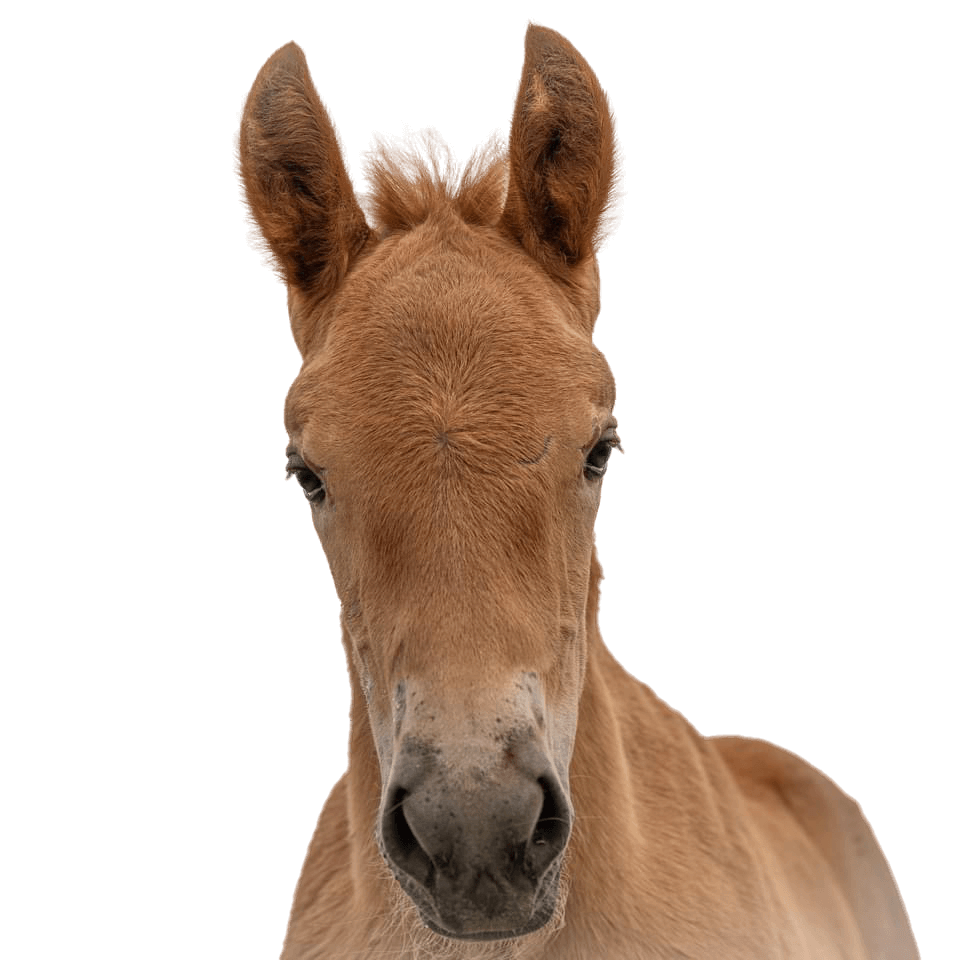
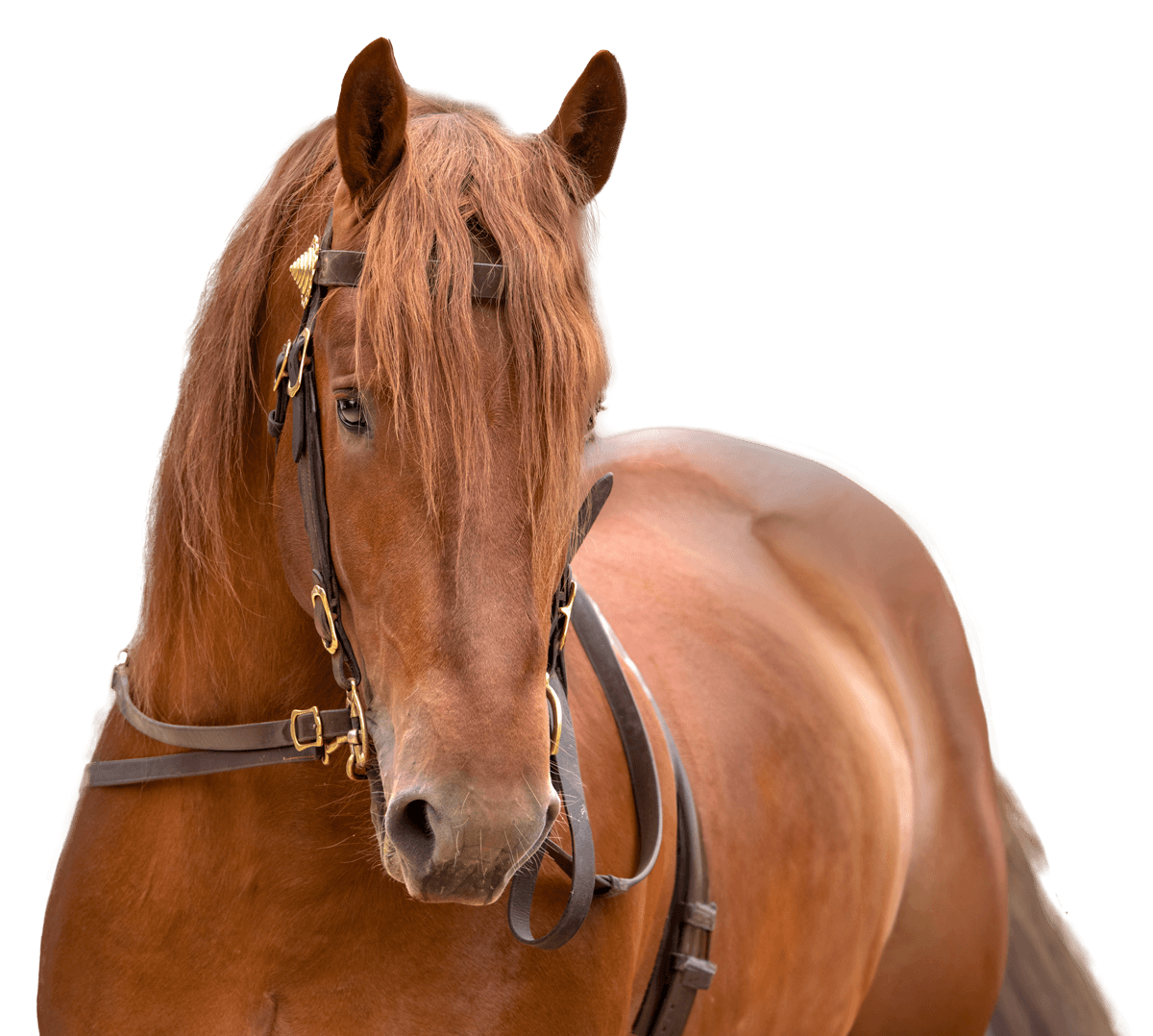
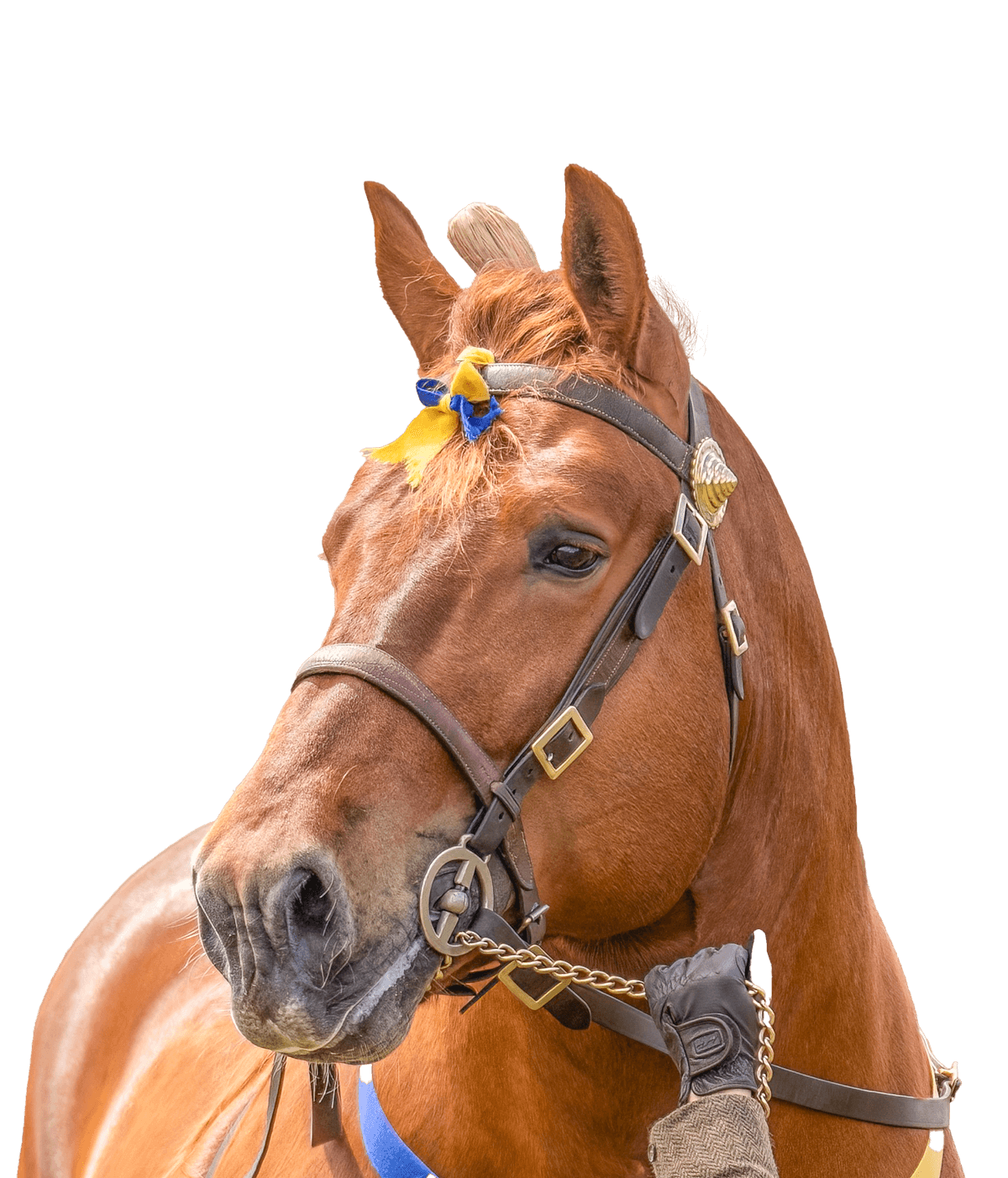
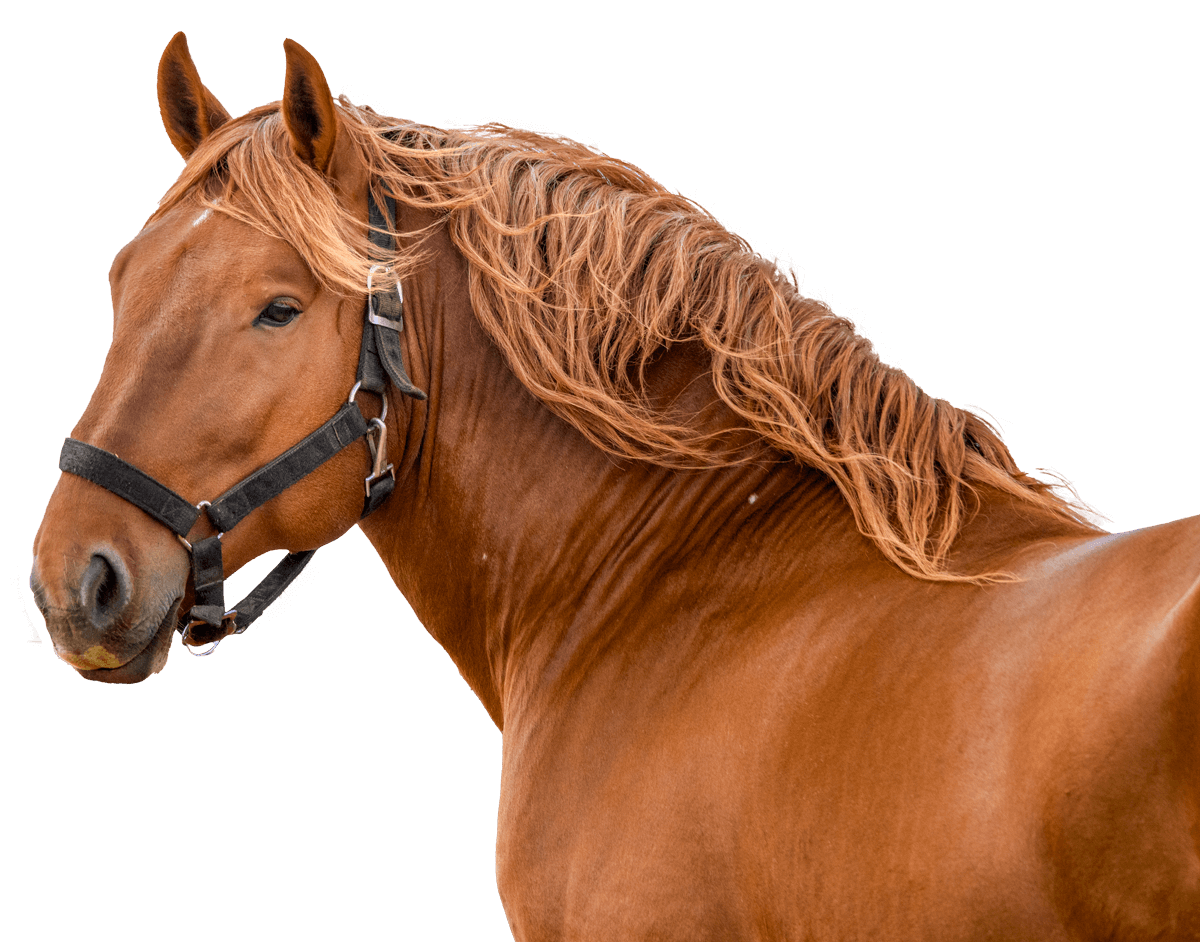
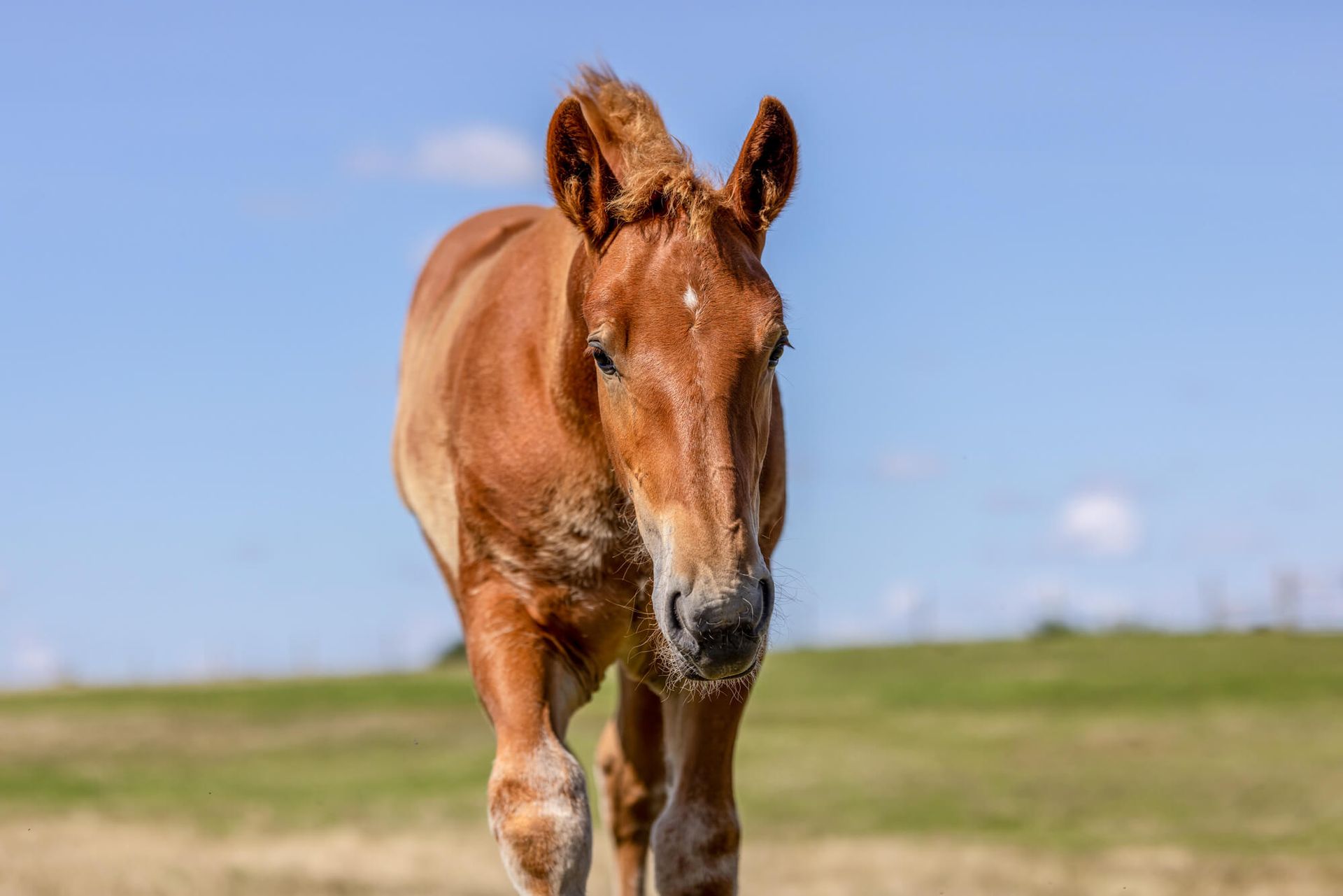
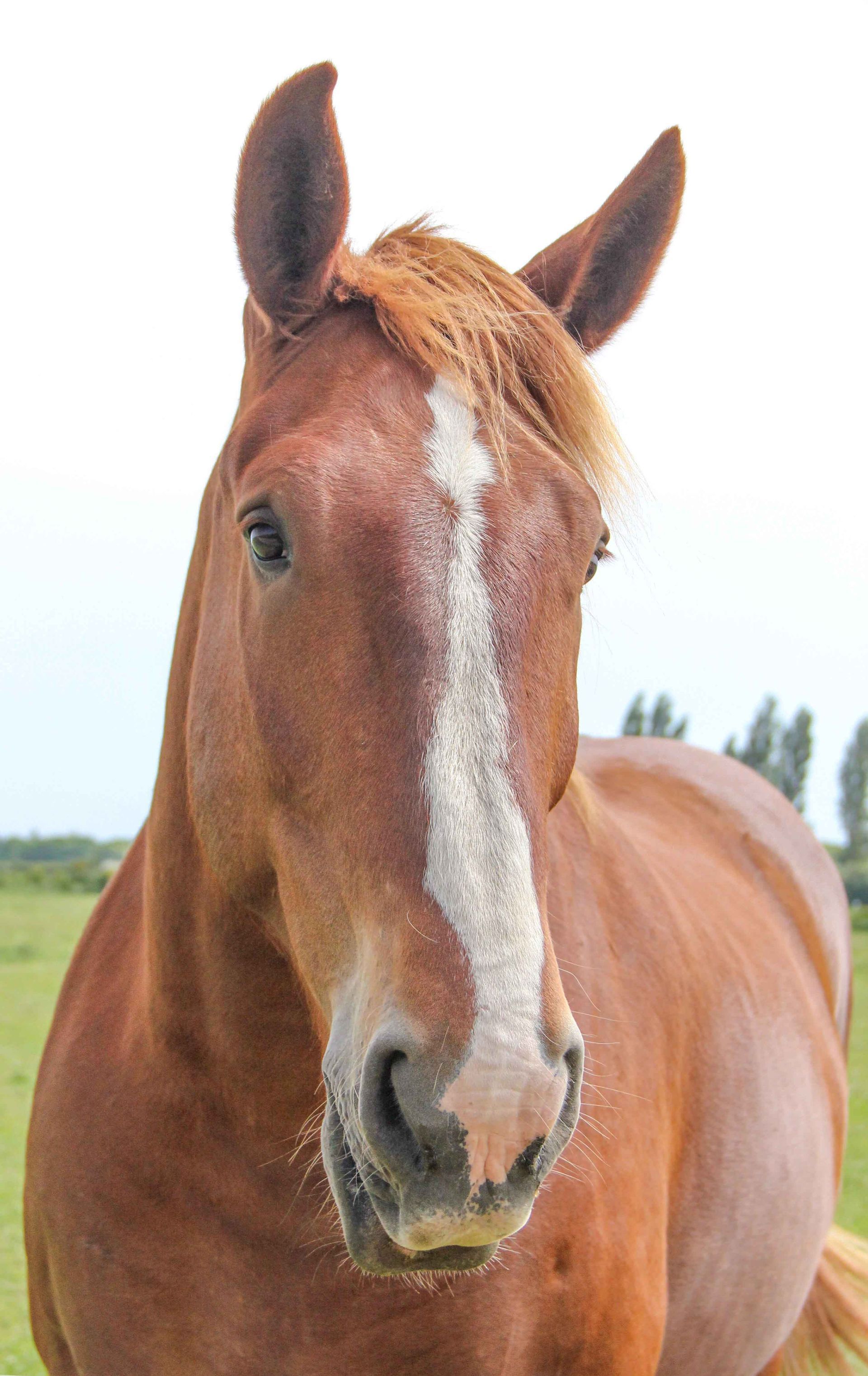
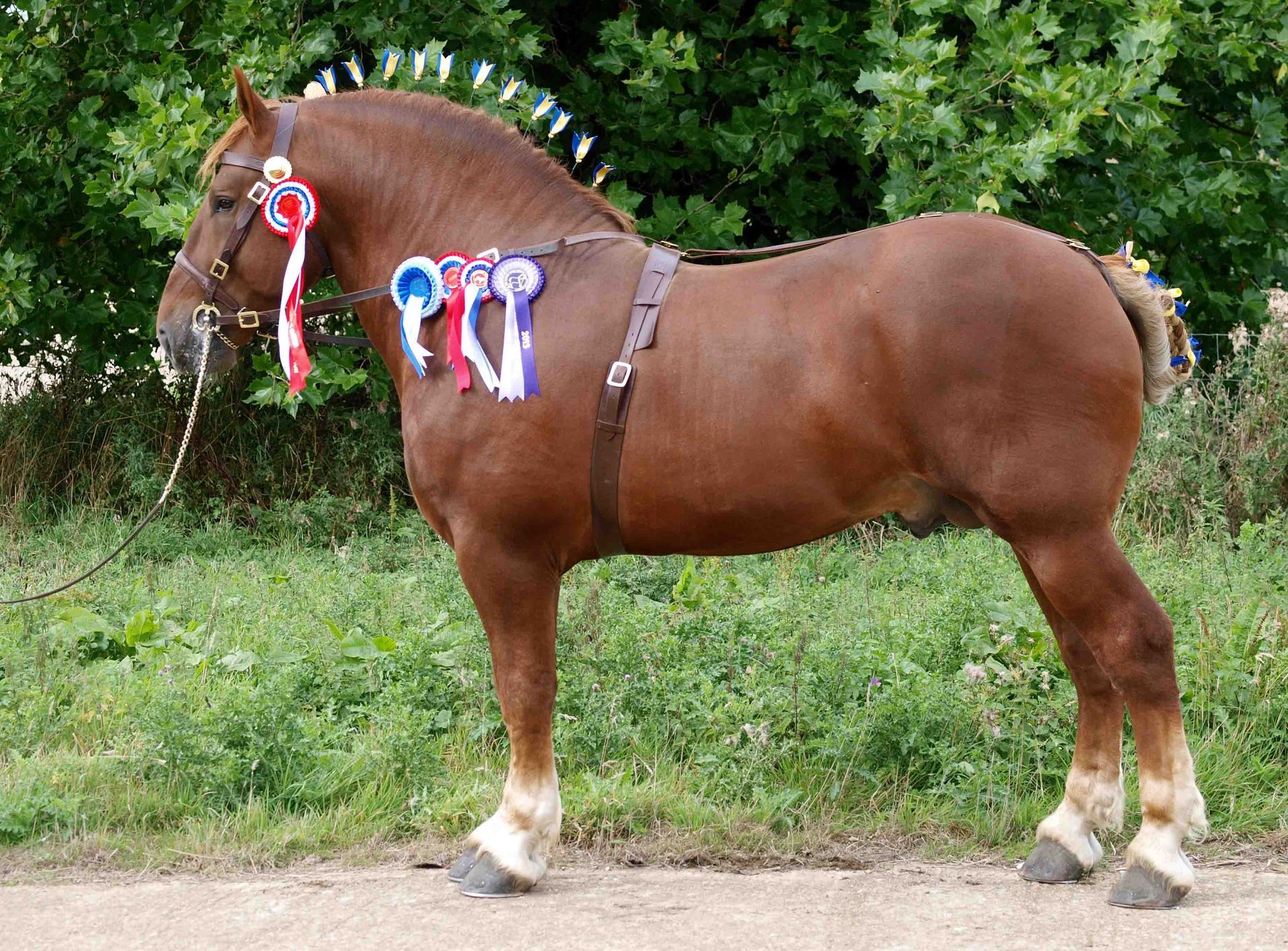
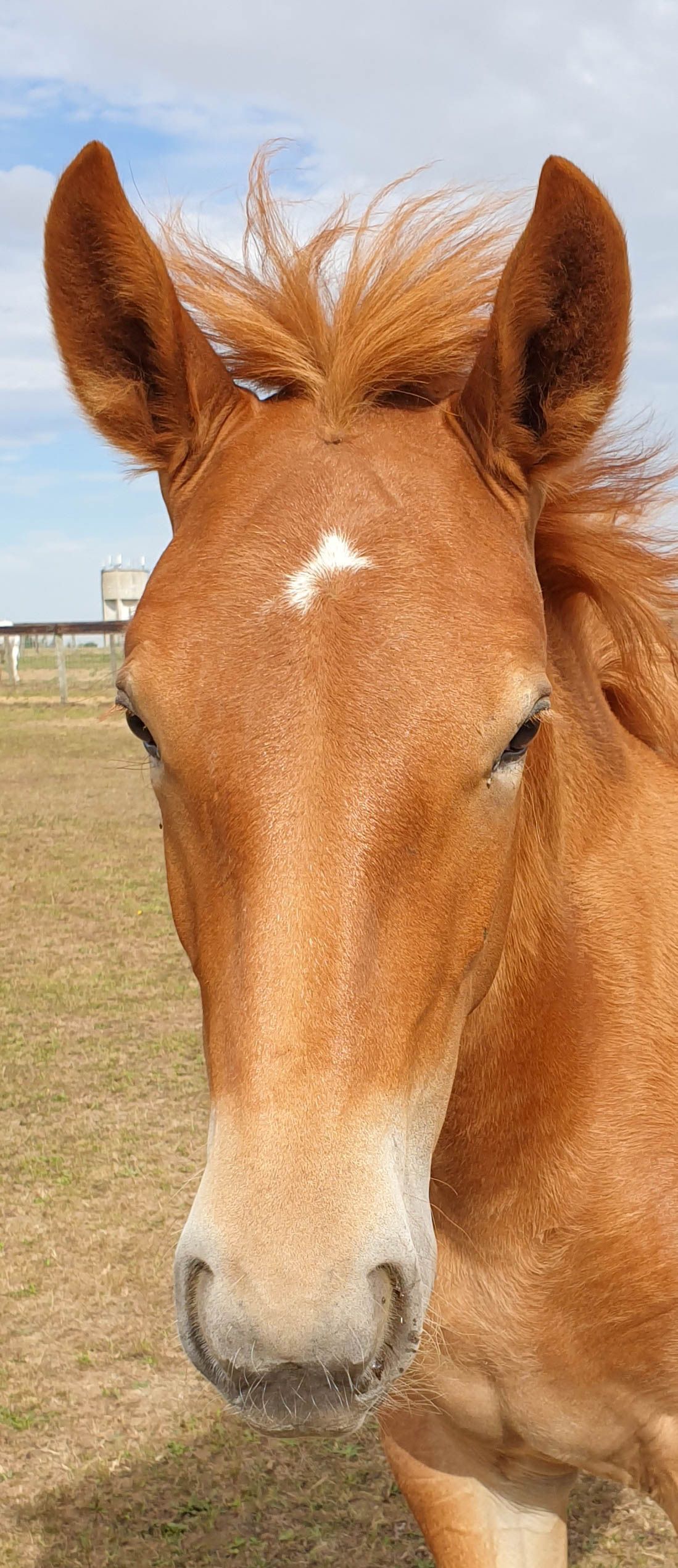
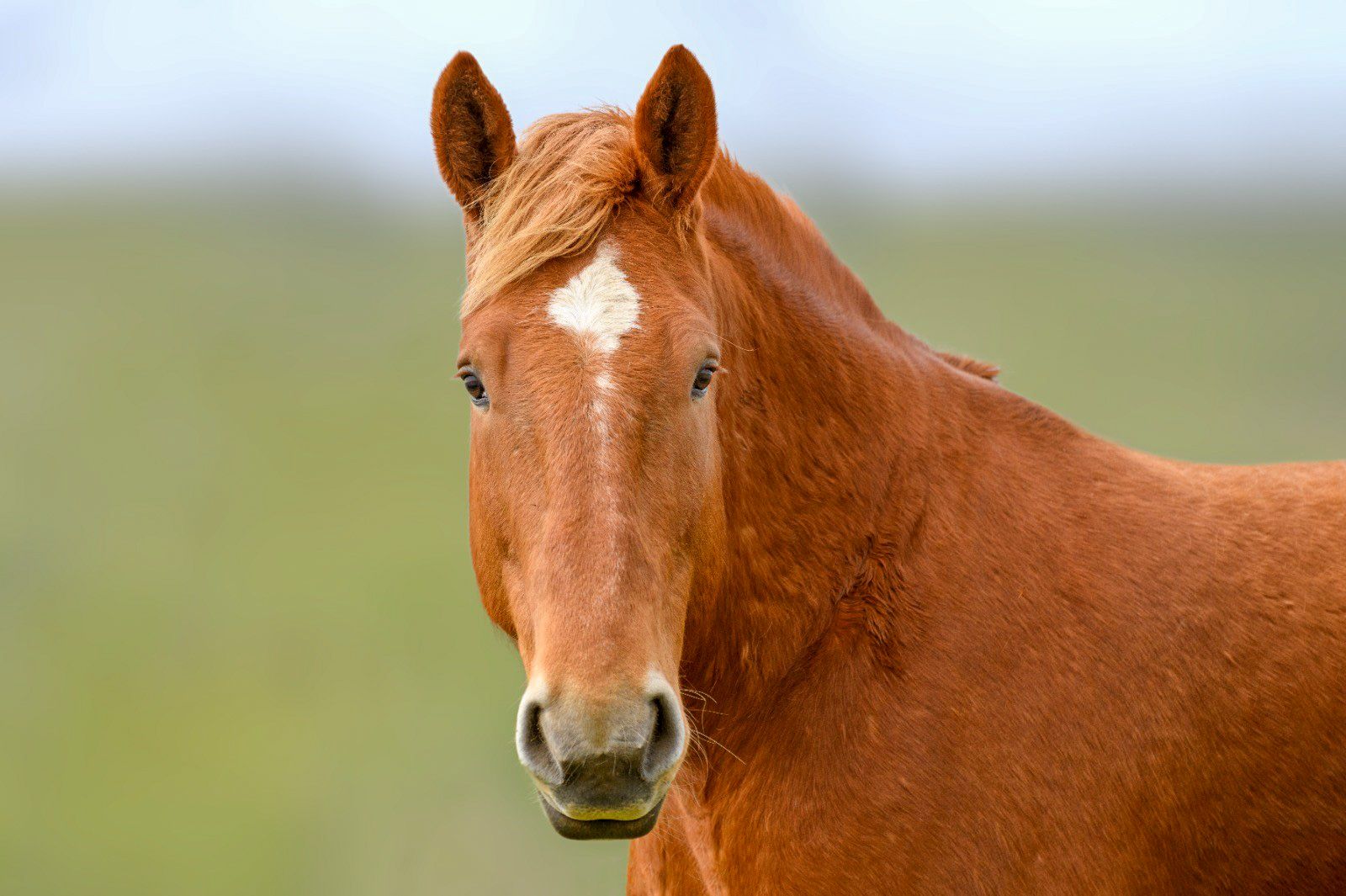
ButtonA Suffolk horse can only be chesnut (traditionally spelt without the central ‘t’) in colour, with no white markings on the body or legs and only a small amount on the face.
-
![A brown chesnut Suffolk Punch horse foal standing in a field and looking at the camera .]()
-
![]() Button
ButtonBefore the First World War there were many thousands of Suffolks throughout East Anglia, as they were ideal for working the land and for draught work. Farm horses were gradually replaced by tractors from the early 1940’s.
-
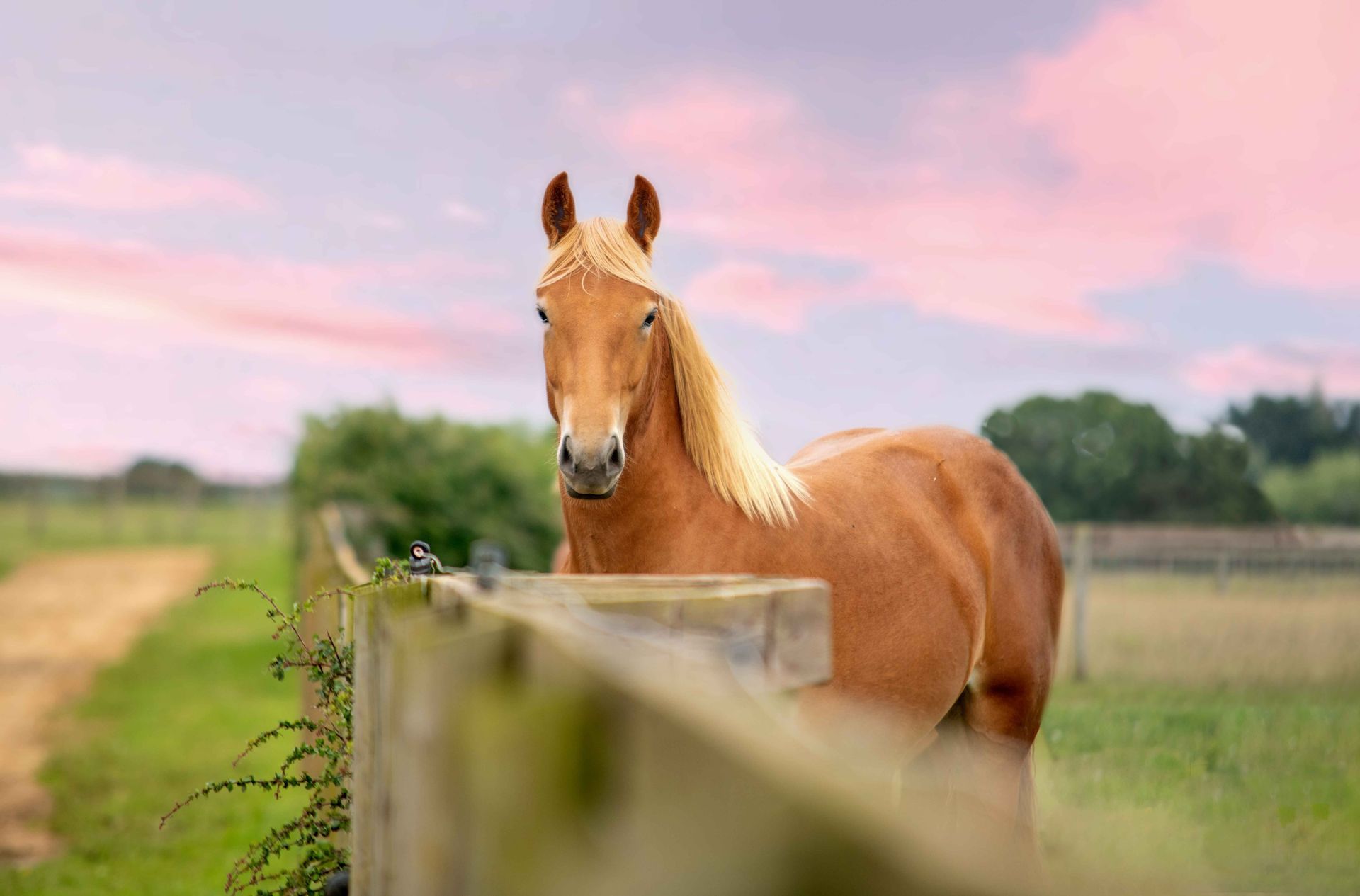
![A brown chesnut mare standing next to a wooden fence in a field at the Suffolk Punch Trust charity]()
-
![]() Button
ButtonModern Suffolks are typically 15.3hh – 17.1hh (a hand [hh] being 4 inches/10cm). The height is taken at the withers (where the top line of the neck meets the back).
-
![A man and a woman are standing next to a brown Suffolk Punch horse, giving the stallion an award for a horse show]()
-
![]()
Birthday Sparks
ButtonA Suffolk Punch stallion can weigh over 1 tonne!
Suffolk's feet are roughly twice as big as thoroughbreds.
-
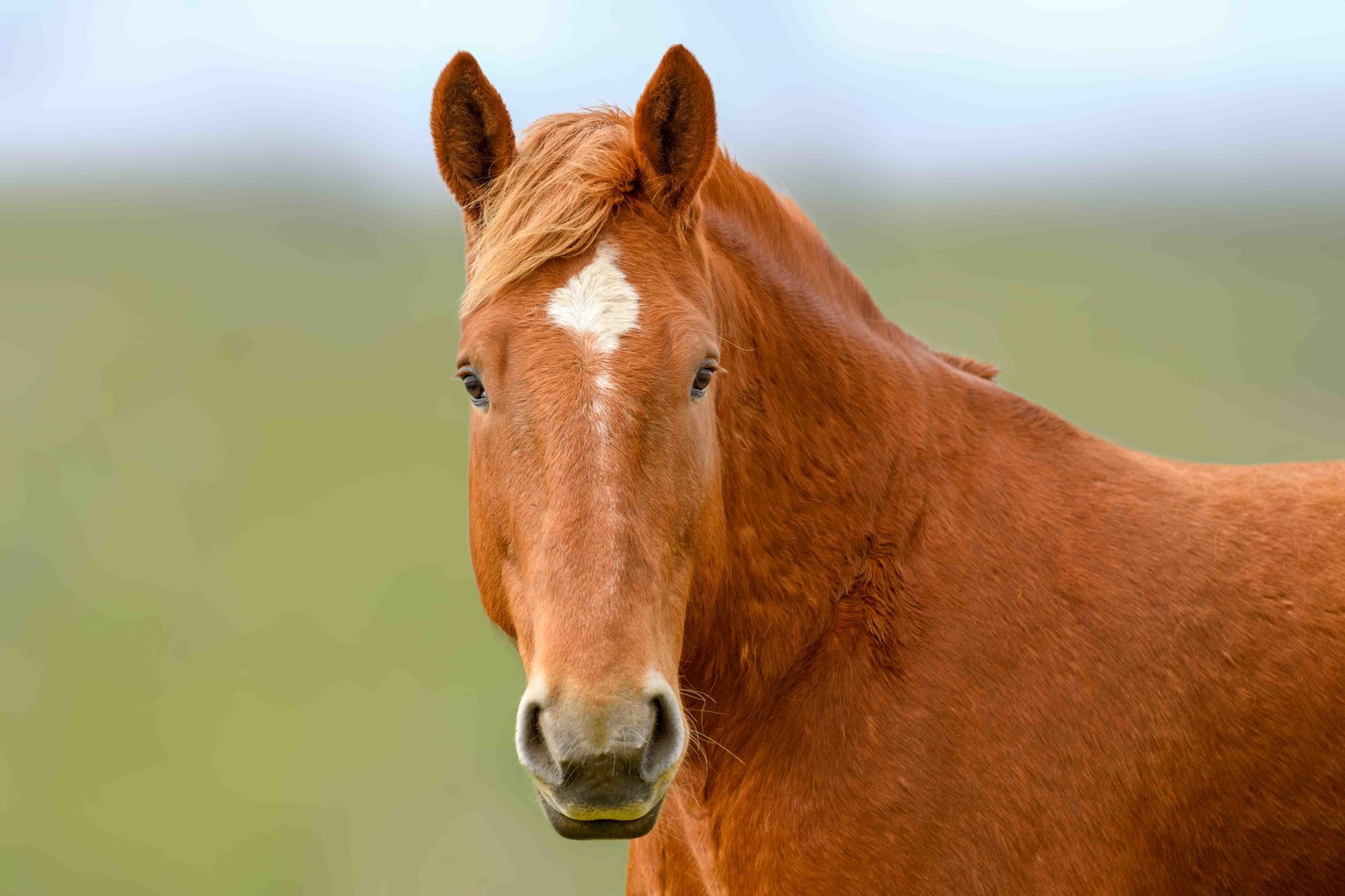
![A brown chesnut horse with a white spot on its head is standing in a field at the Suffolk Punch Trust charity]()
-
![]() Join us
Join usThe prefix of our Stud is Colony, which dates back to the Colonial College days. This is why our horses have an ‘official name’ - for instance Colony Eli or Colony Gremlin.
Our tradition is to name our foals each year with the same letter, following on in alphabetical order.
-
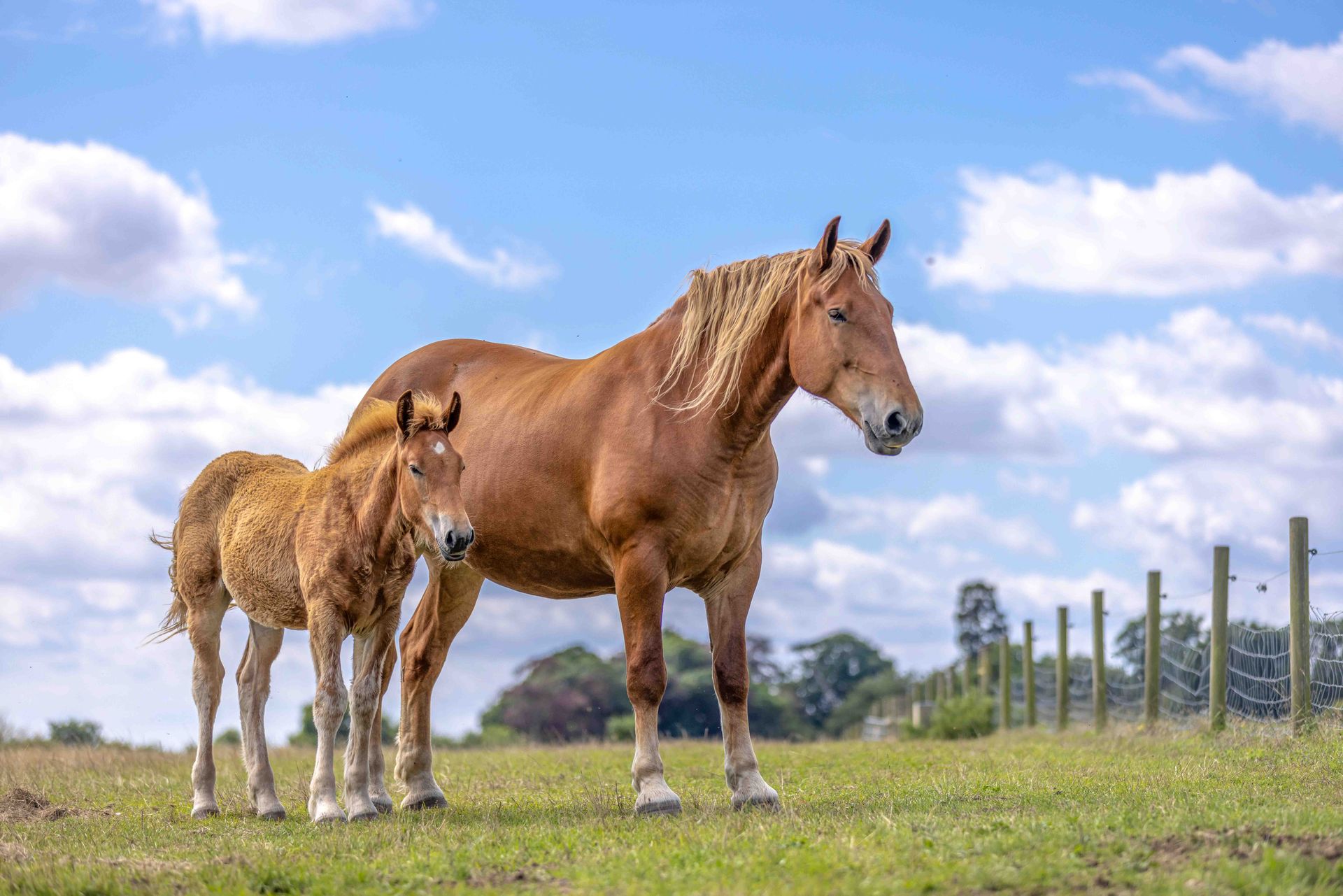
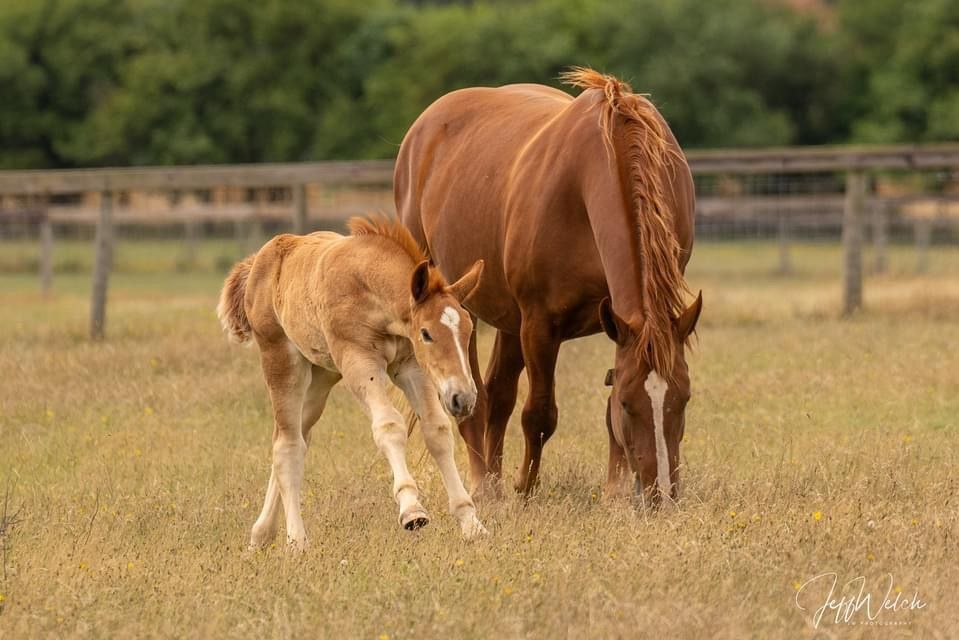
![a mare horse and her foal are standing next to each other in a field at the Suffolk Punch Trust charity]()
-
![]() Button
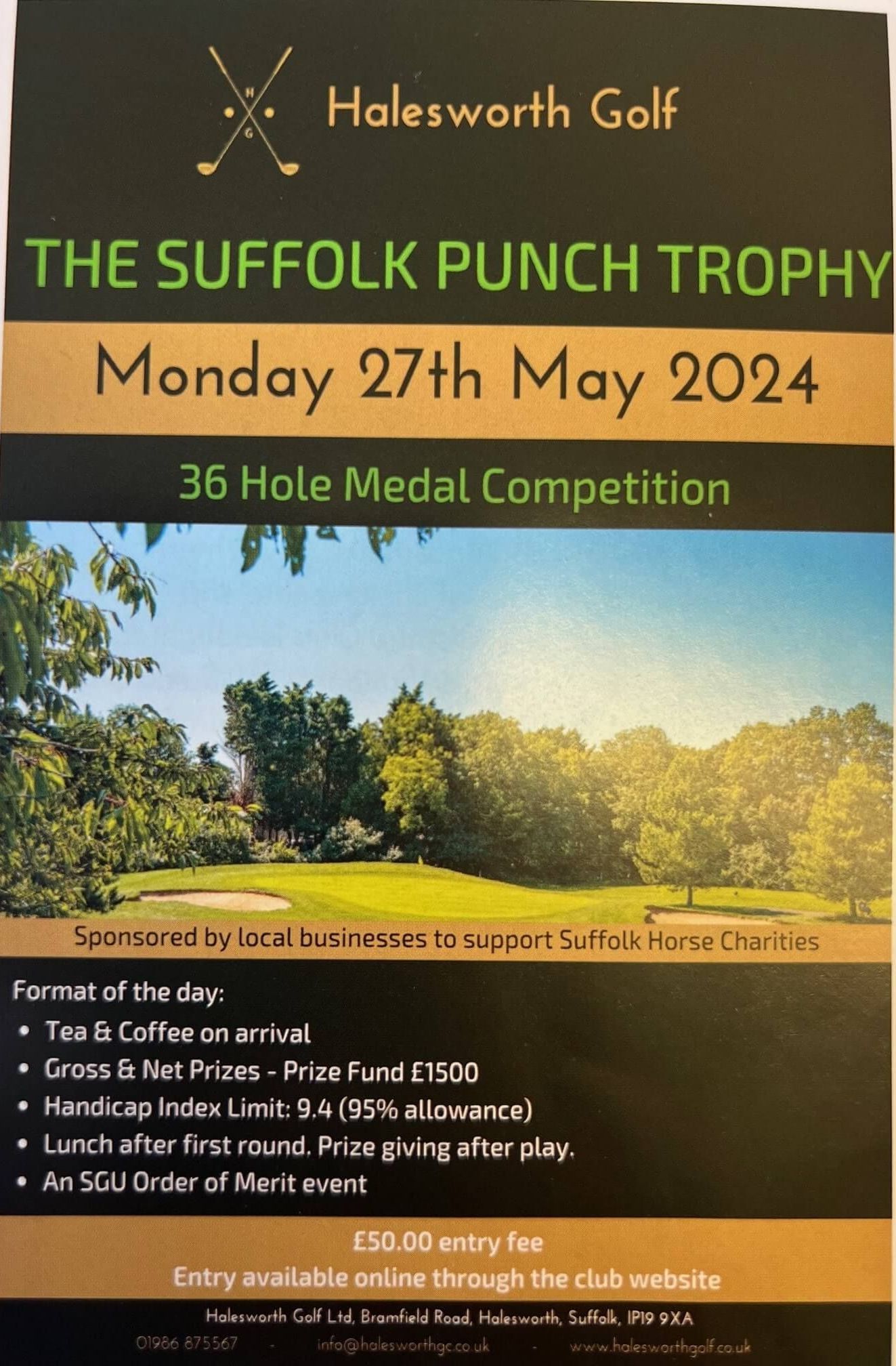
ButtonThe Rare Breeds Survival Trust categorises the Suffolk Punch Horse breed as critically endangered because of the relatively low number of Suffolk Punch Horse mares of breeding age in the UK (currently around 90 breeding age mares against a critically endangered threshold of 300).
-
![A mother horse and her baby foal are grazing in a field at the Suffolk Punch Trust charity]()
-
![]() Button
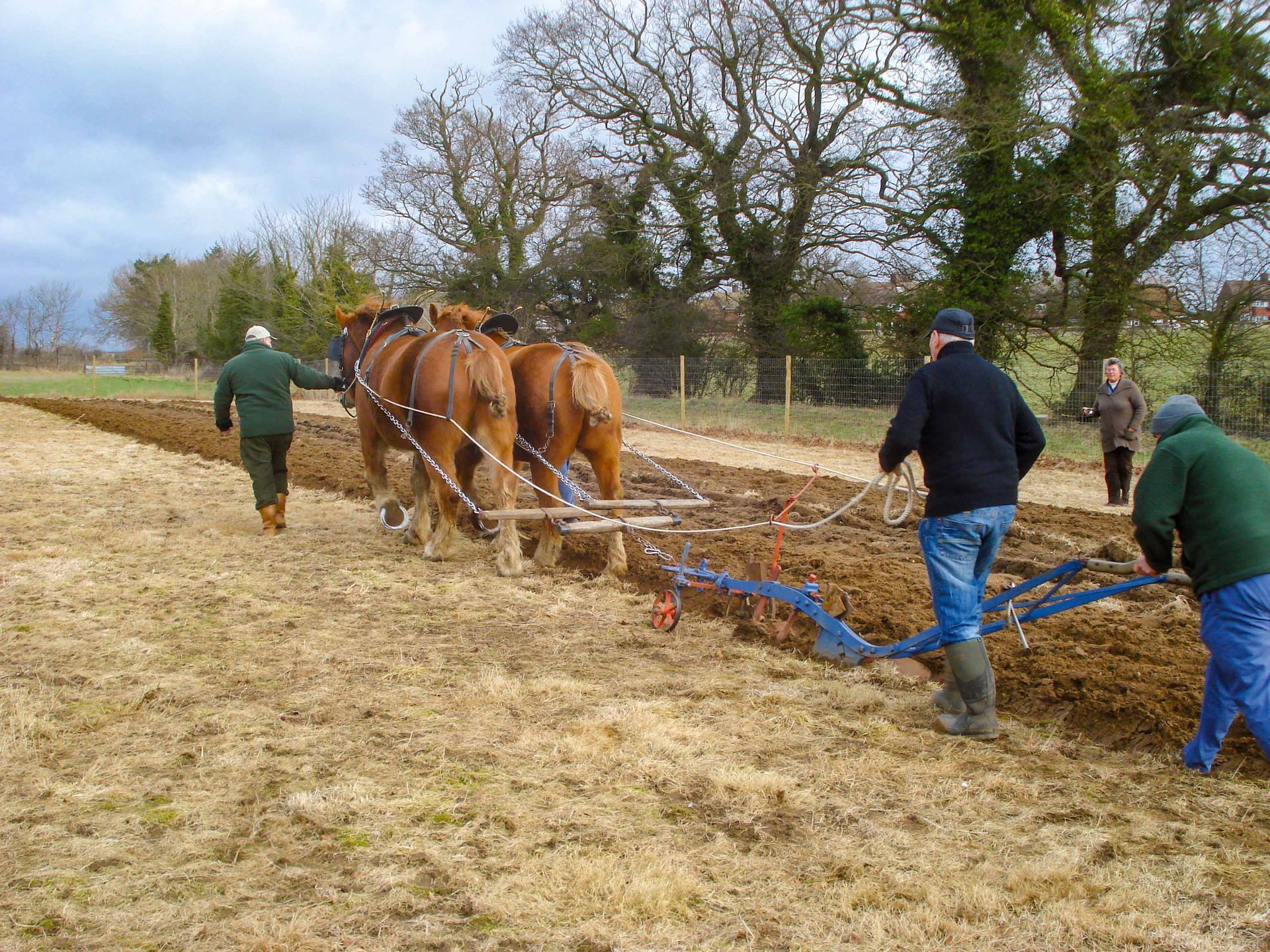
ButtonSuffolk Punches are still occasionally used for agriculture and there is growing interest in using them for eco-sensitive logging, for general haulage and as a ridden horse.
-
![a group of men are plowing a field with Suffolk Punch heavy horses at the Suffolk Punch Trust charity]()

Gallery


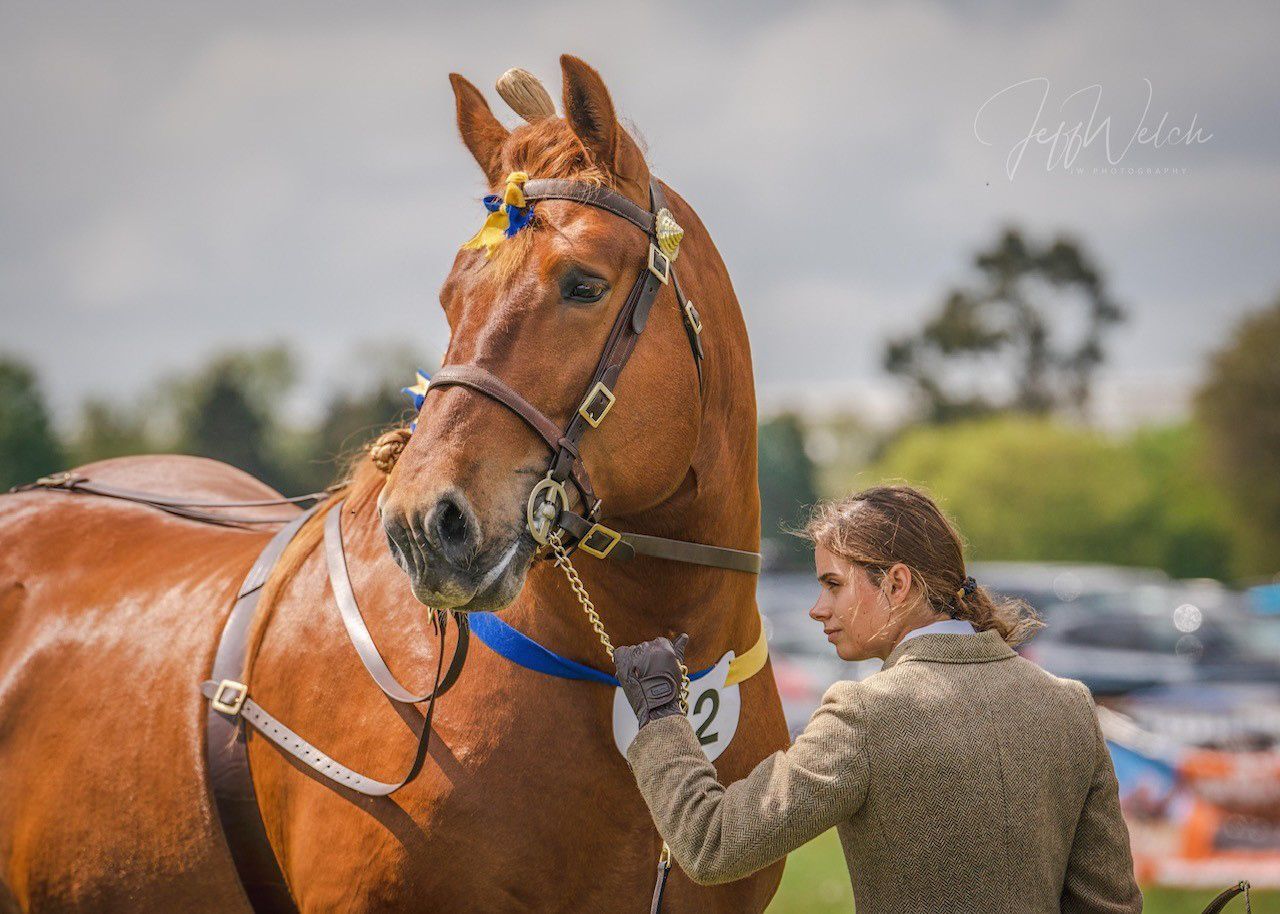
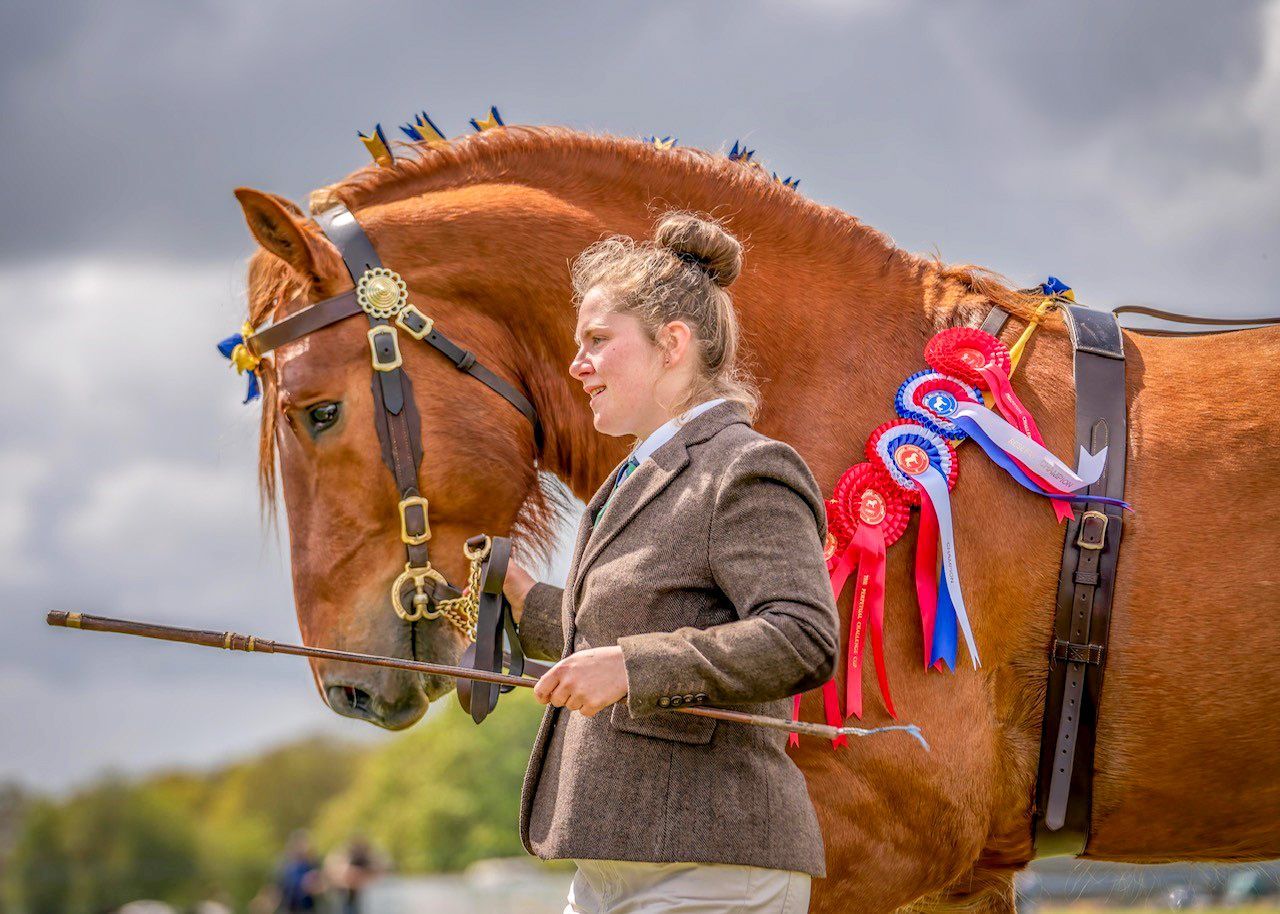
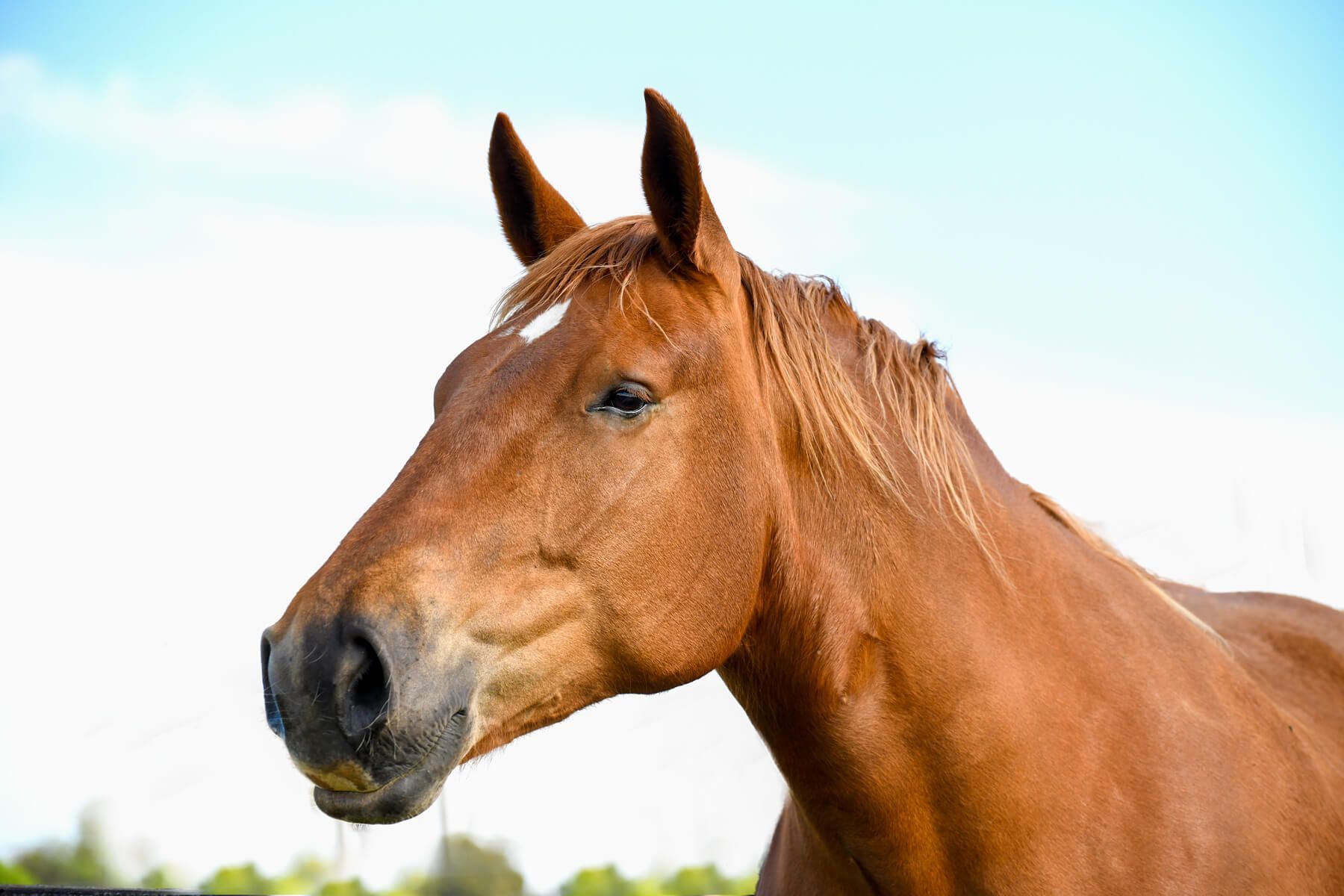


WE BREED SUFFOLK HORSES
Visitor Centre
The Suffolk Punch Trust, Woodbridge Walk, Hollesley, IP12 3LA
Colony Stud and Postal Address: The Suffolk Punch Trust, Sink Farm, St. David's Lane, Hollesley, Suffolk IP12 3JR
Dogs Welcome
Special thanks to these photographers: Jeff Welch, Elizabeth Ebsworth, Richard Allenby Pratt, Claire Le Roy, Jemma Martin, Sonja Moon.